Stage 01 — Cotton
It starts with the right cotton.
Every order begins with the raw material, because nothing downstream can fix a
weak fibre. Lint is graded for staple length, micronaire, strength and trash
before a bale is approved, and we keep the same cotton profile for every repeat
order — so a reorder six months later still feels like the original sample.
Stage 02 — Yarn
Cotton is spun into yarn.
The approved cotton is carded, drawn and spun to the count your garment needs —
typically 20s to 40s, combed or carded, blended when the fabric calls for it.
Twist is set for the end use, and cones are lot-marked so the whole order runs on
one yarn lot, avoiding barre and shade bands.
Stage 03 — Fabric
Yarn is knitted and dyed.
Knitting and dyeing are done at partner mills we monitor order by order, to our
specification. Yarn is knitted into jersey, pique, interlock, rib, terry or fleece
at your GSM, dyed to the approved lab dip and finished so shrinkage behaves. Only
four-point inspected, passed rolls enter our factory.
Stage 04 — Cutting & stitching
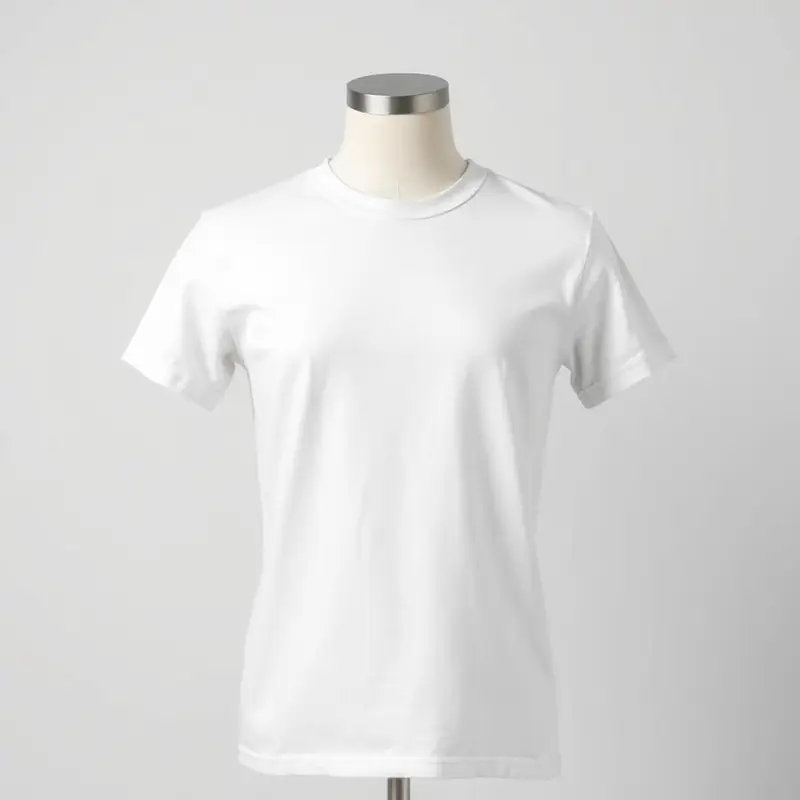
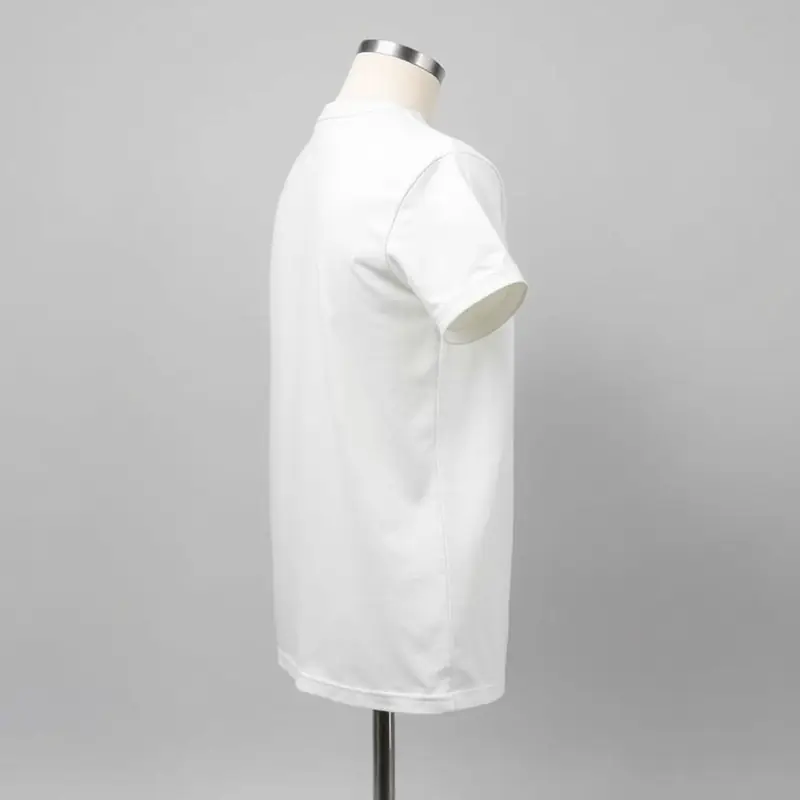
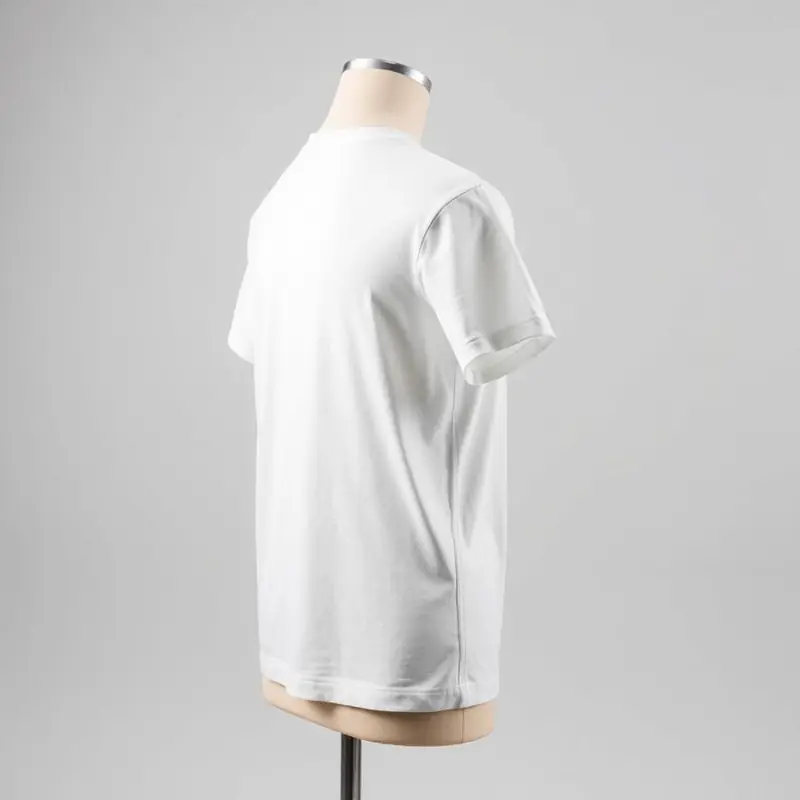
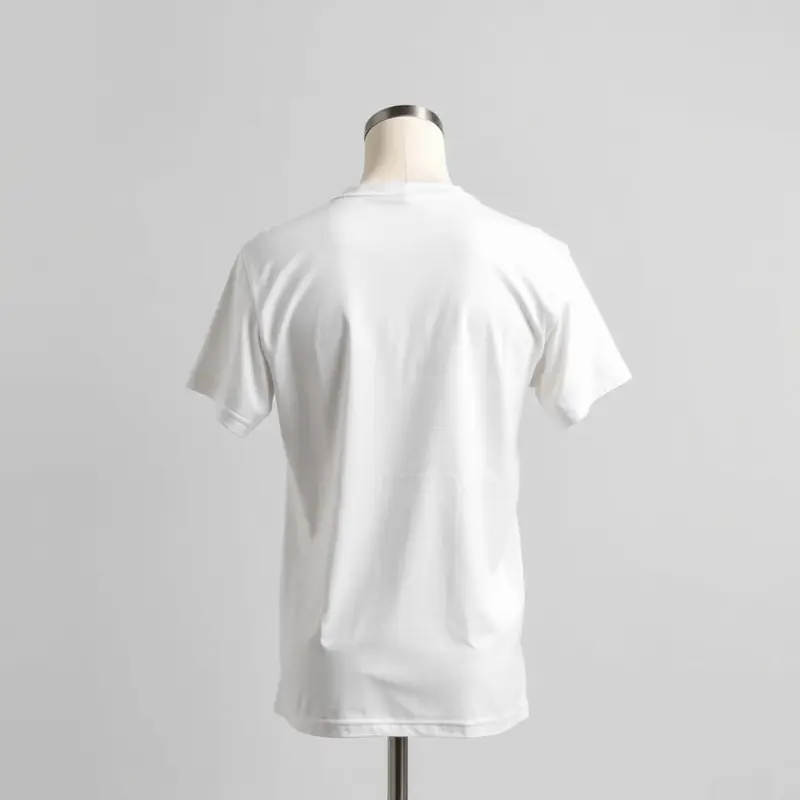
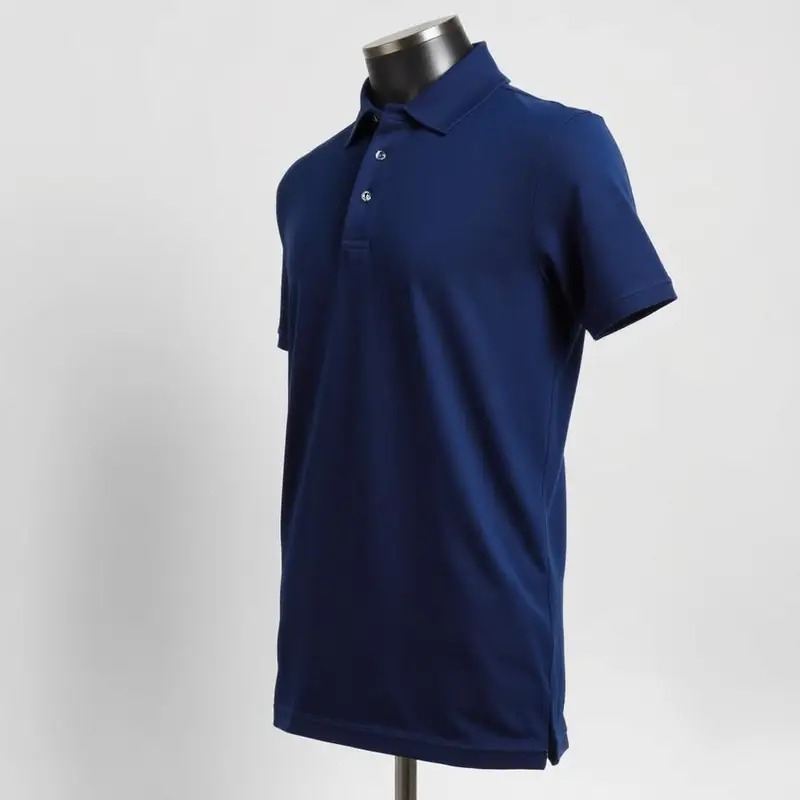
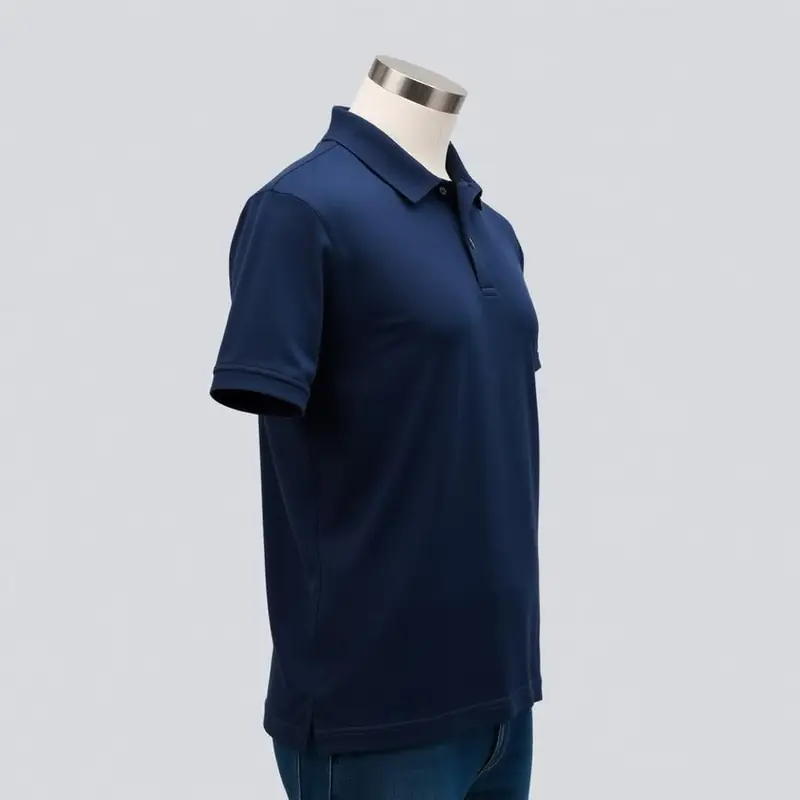
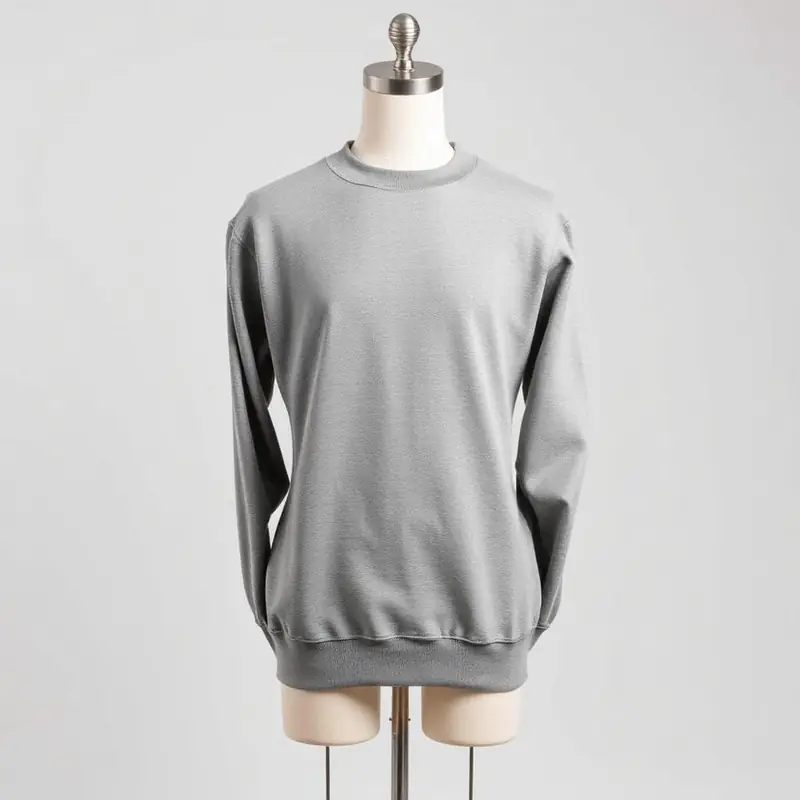
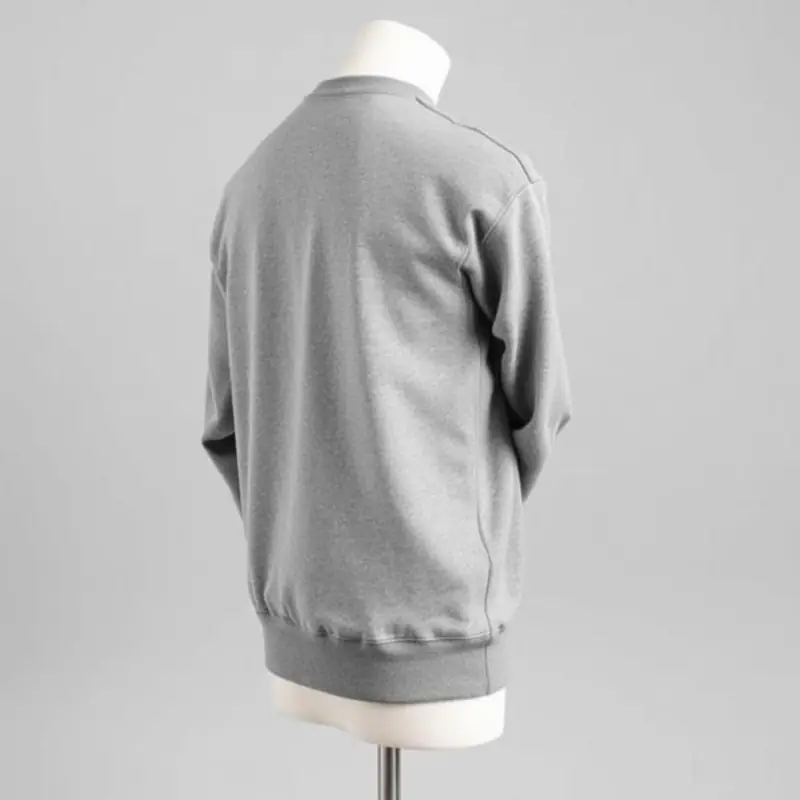
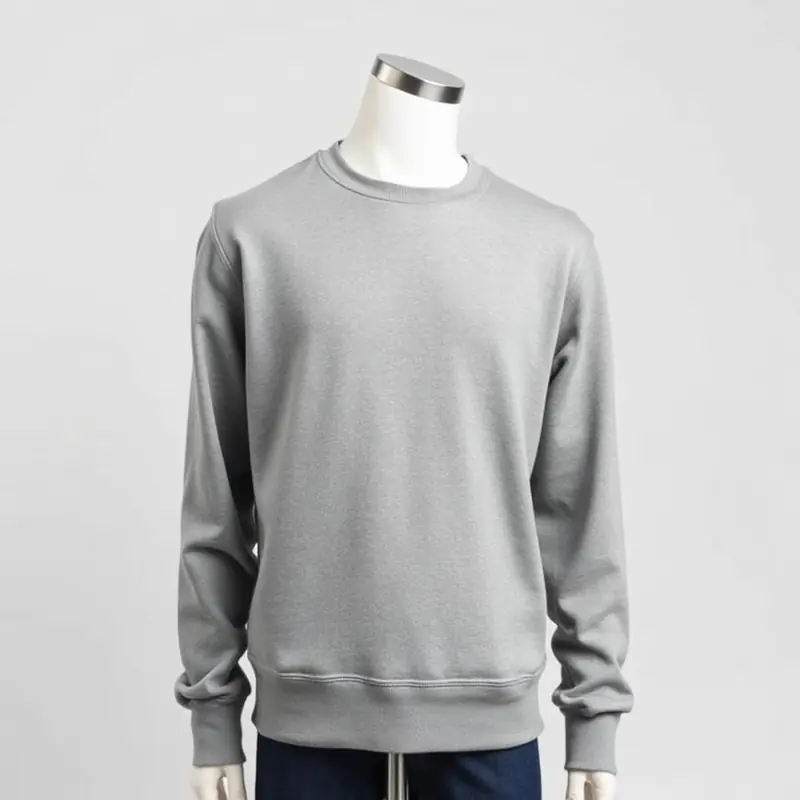
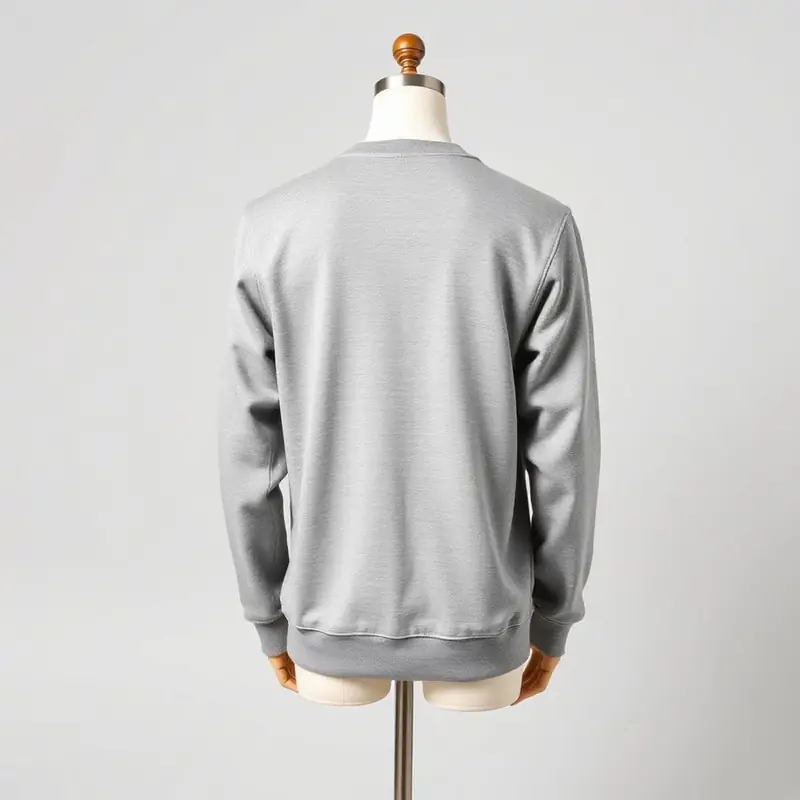
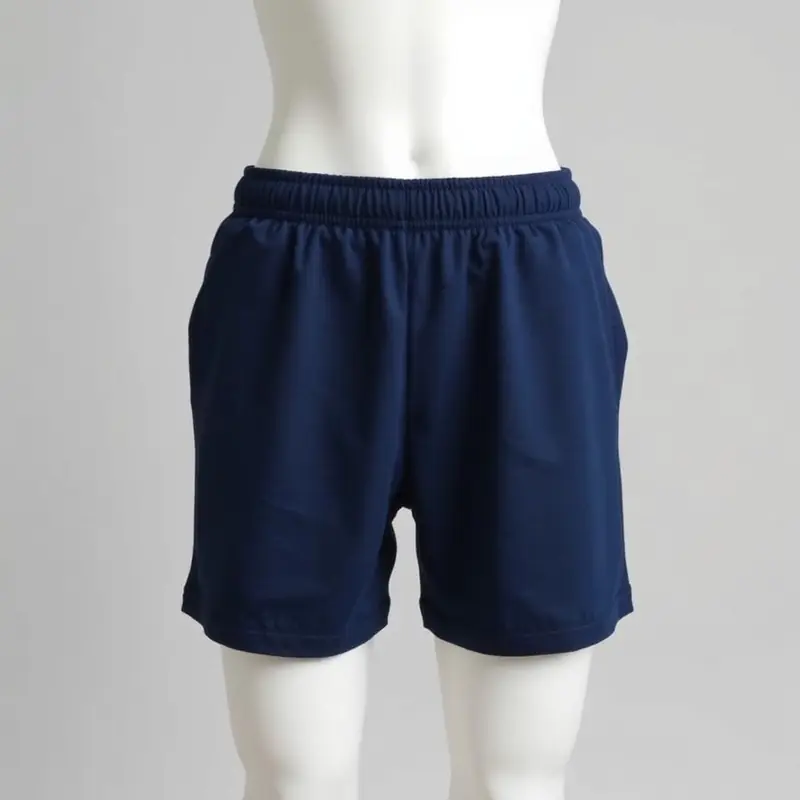
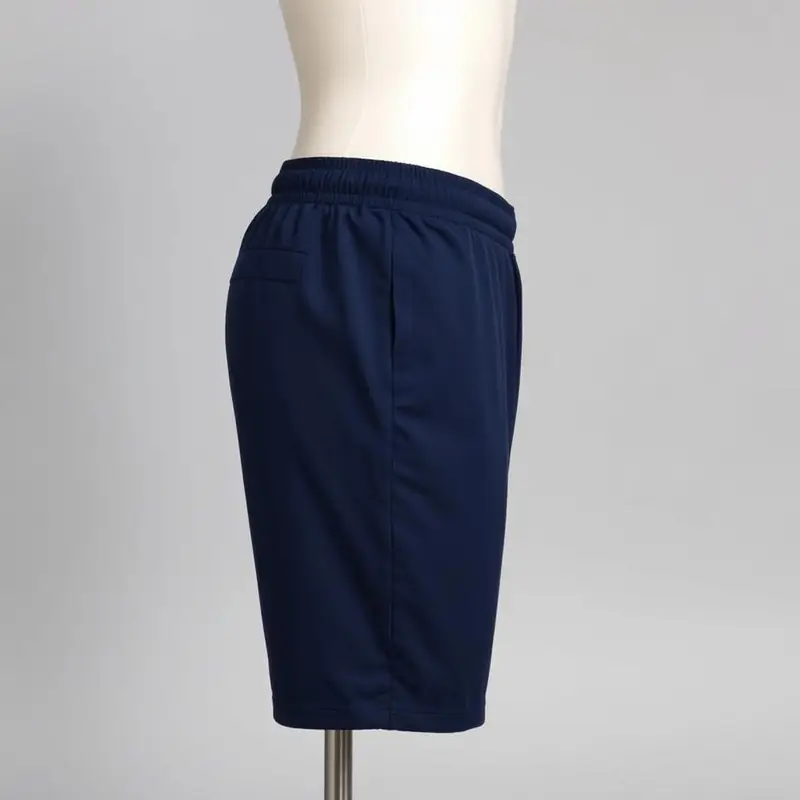
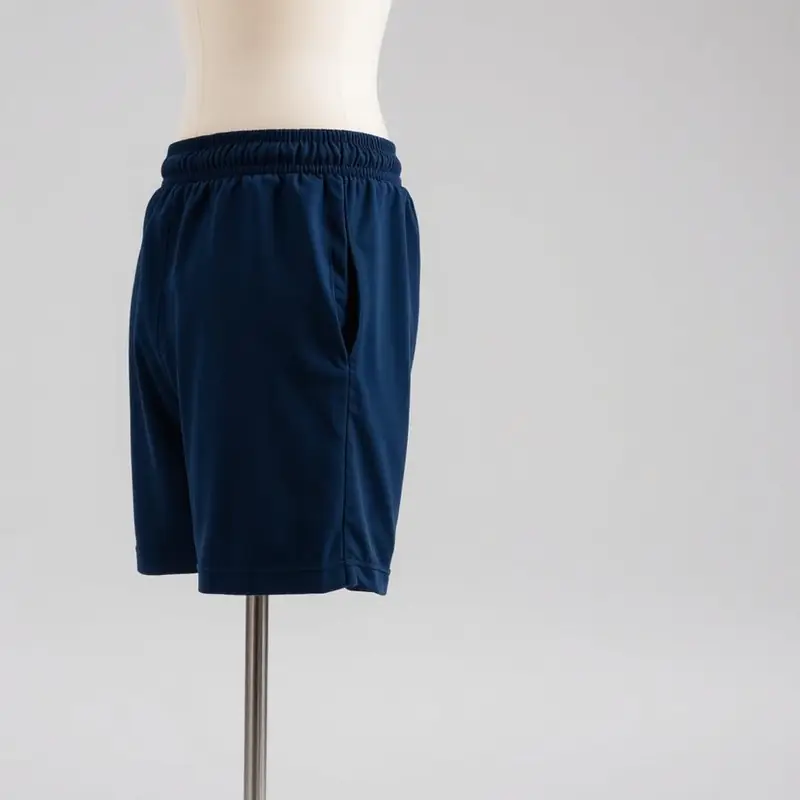
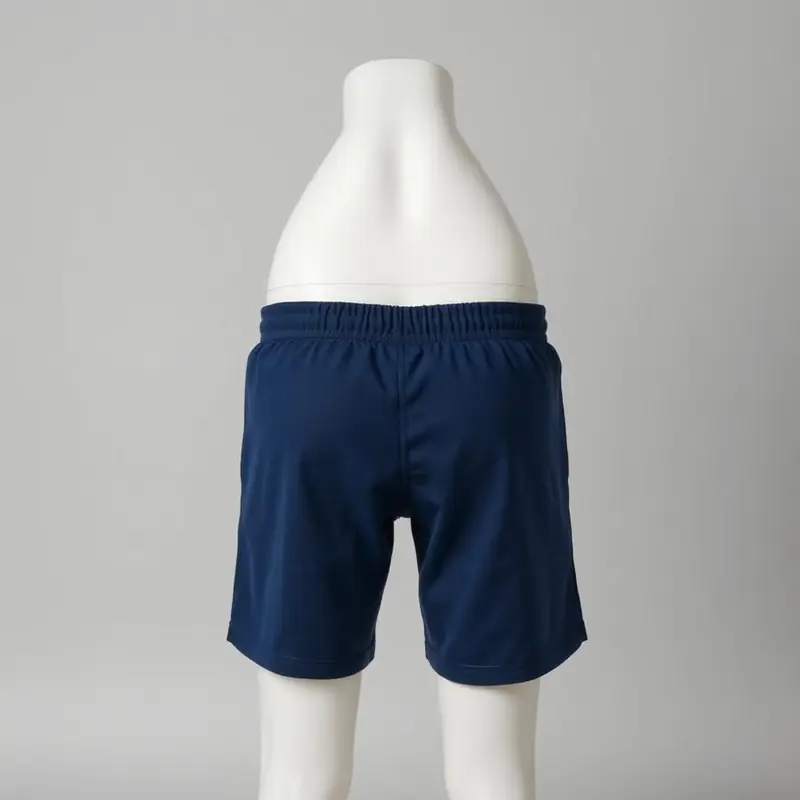
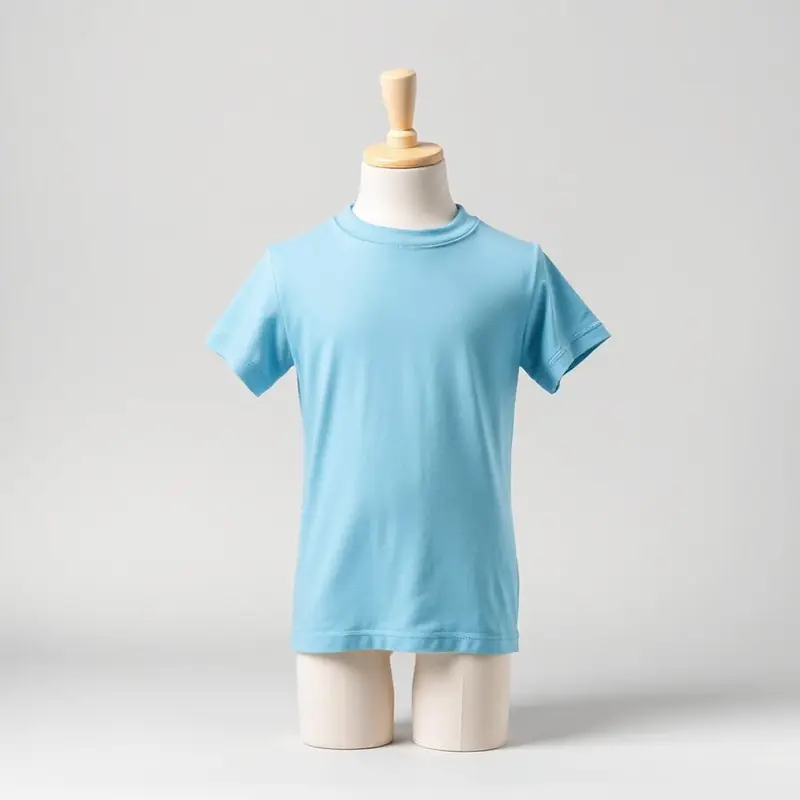
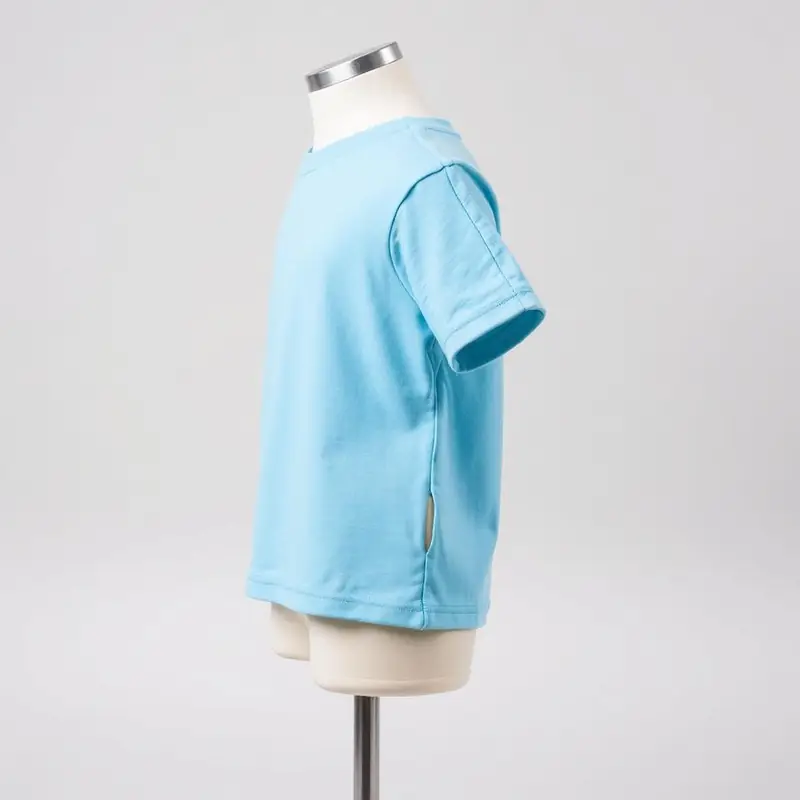
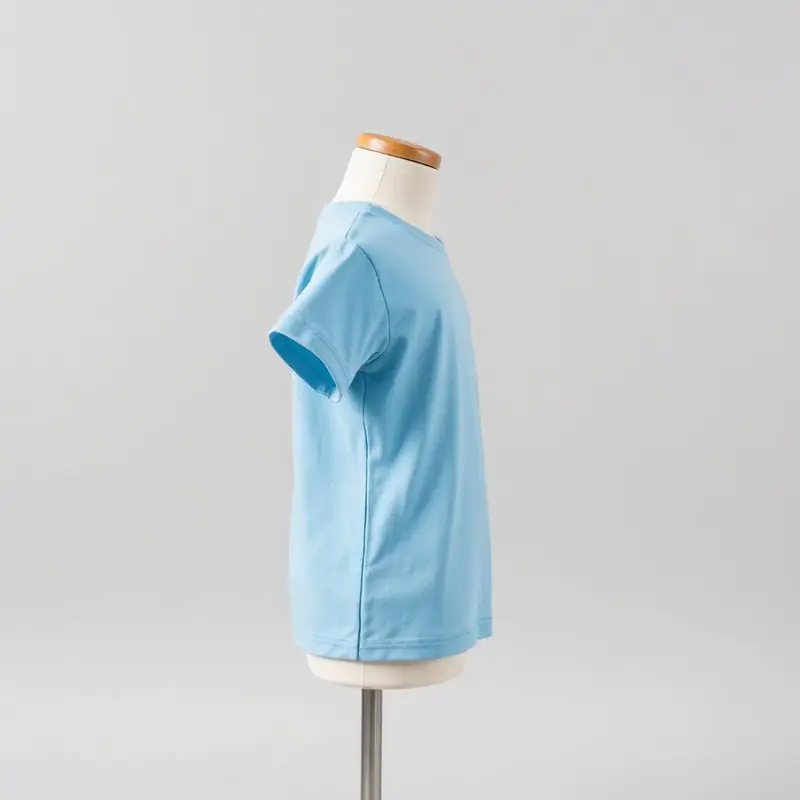
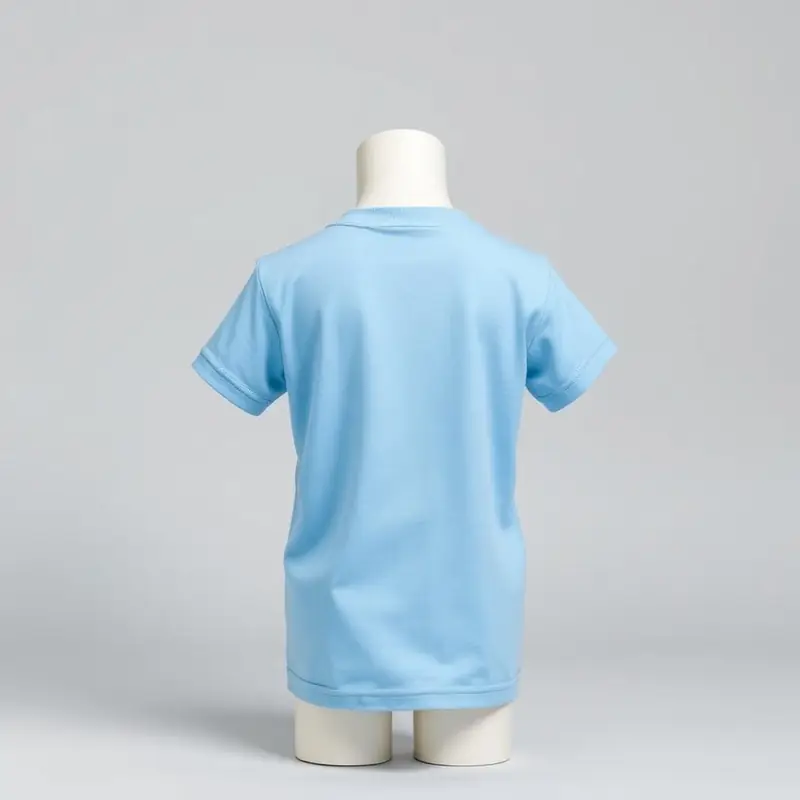
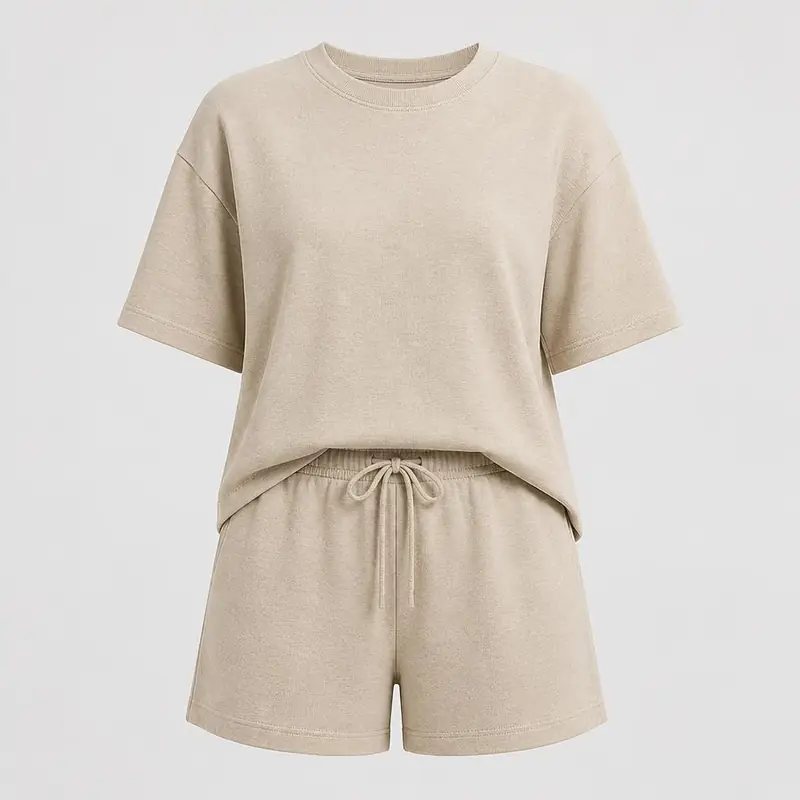
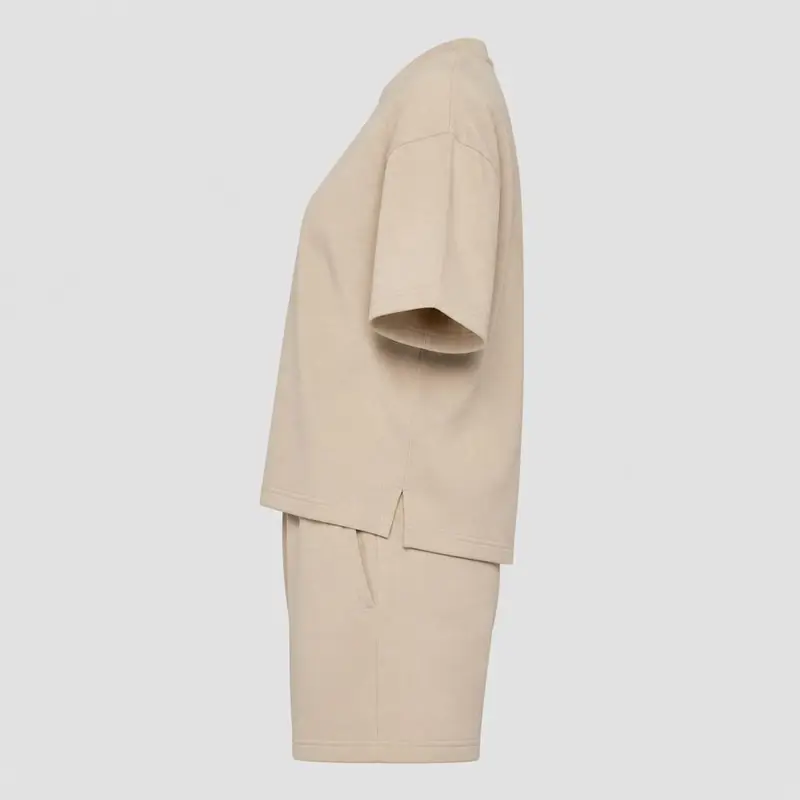
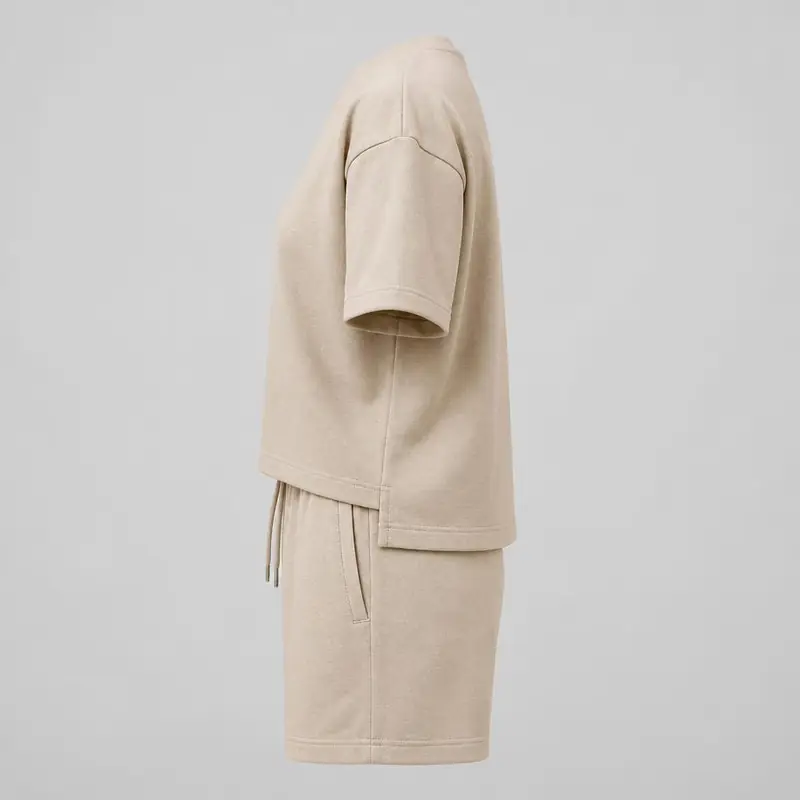
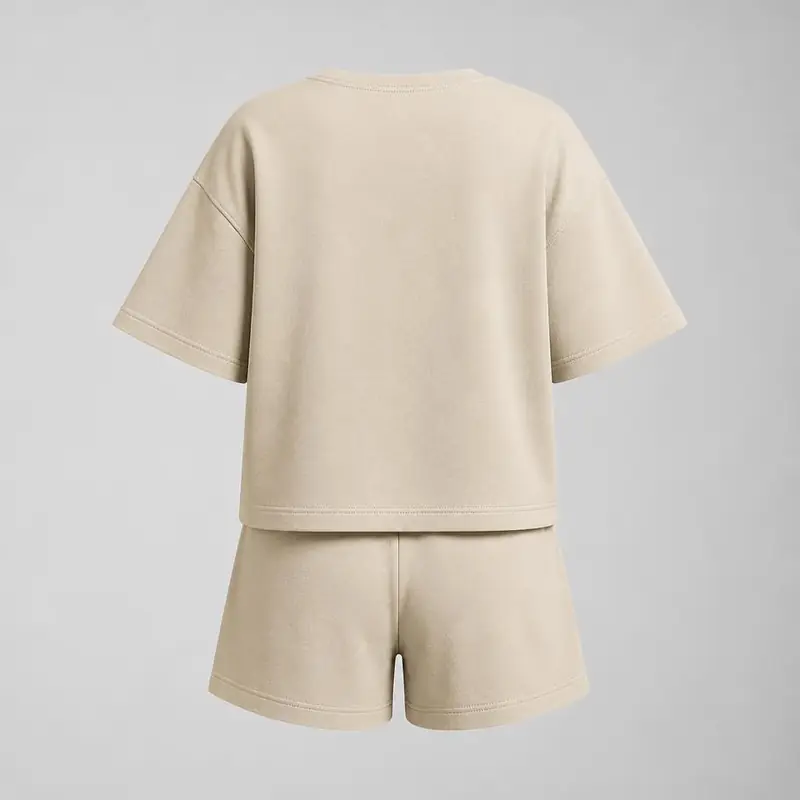
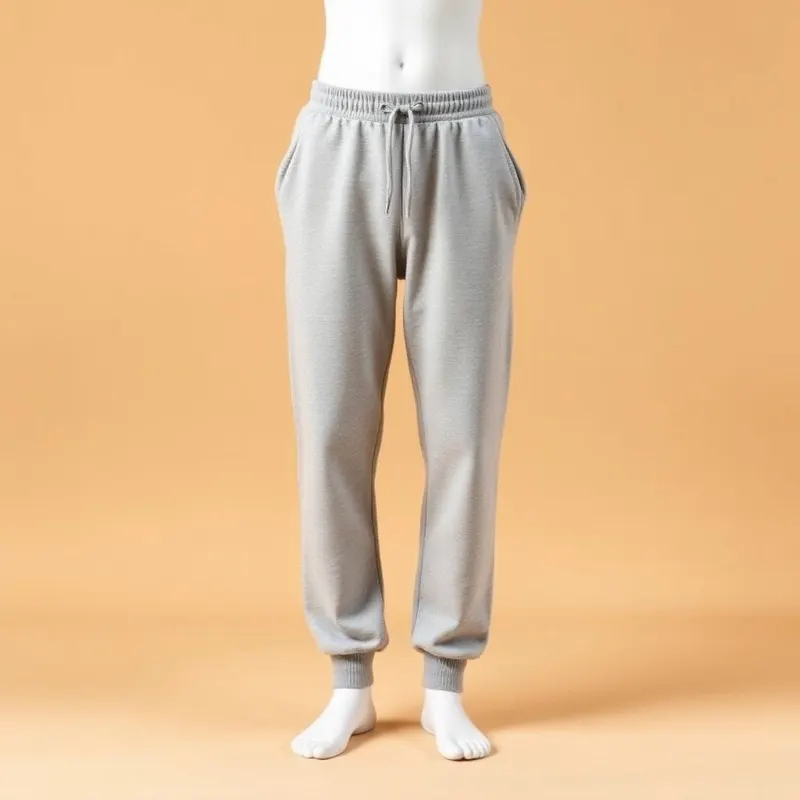
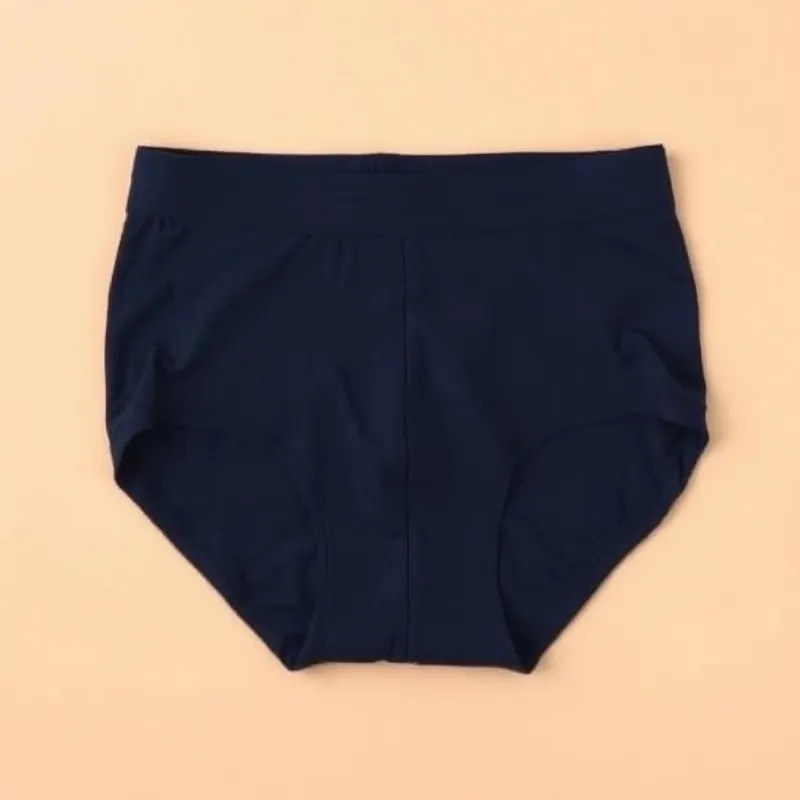
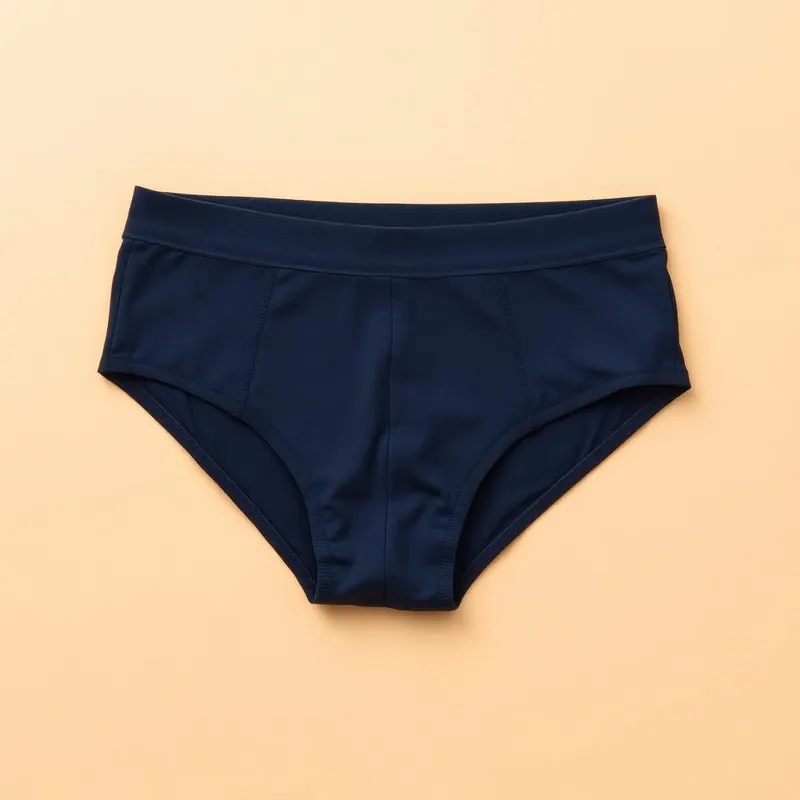
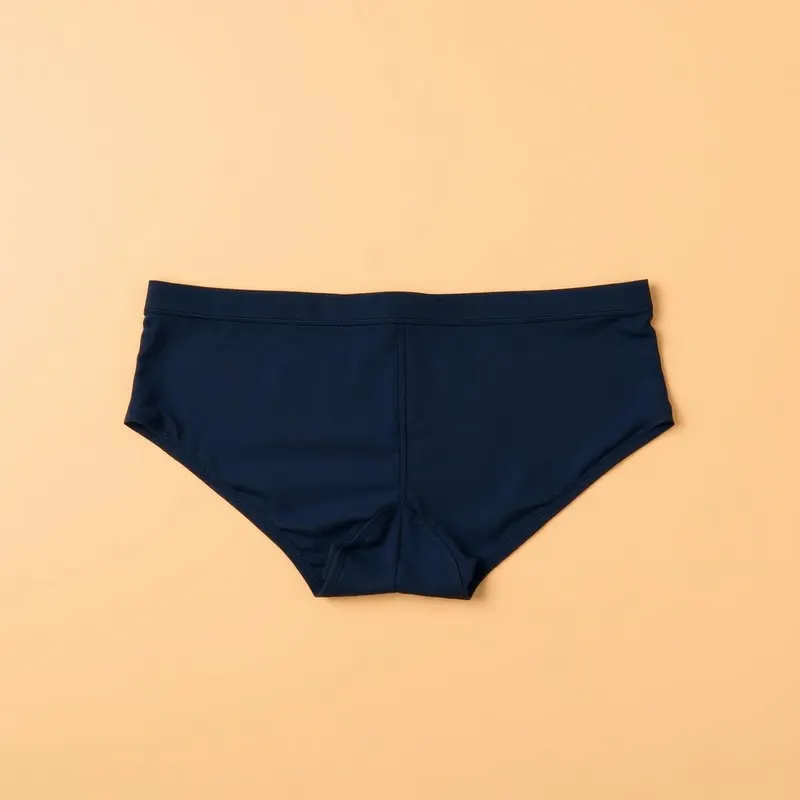
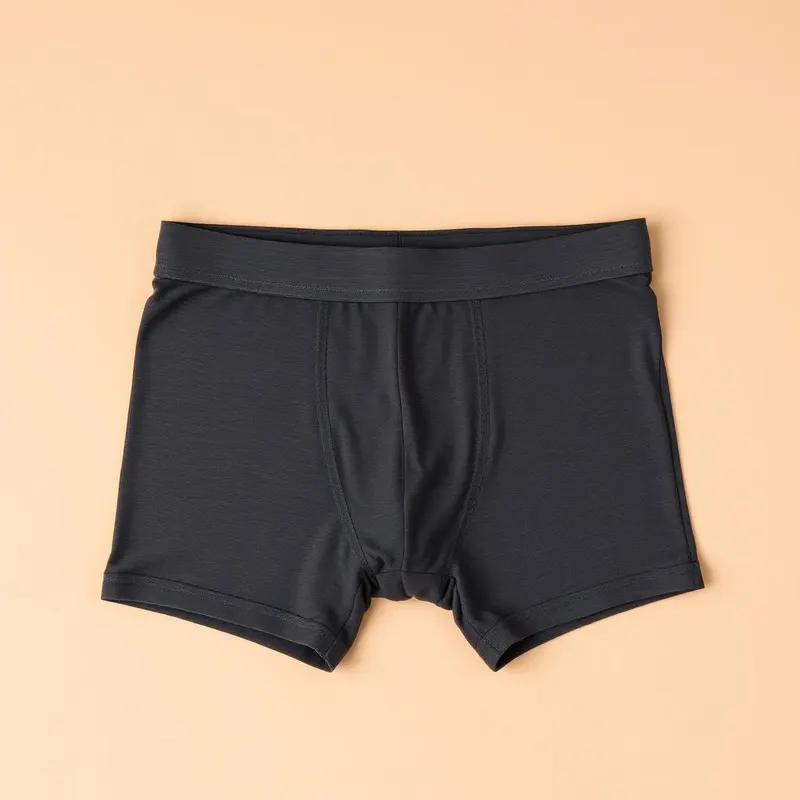
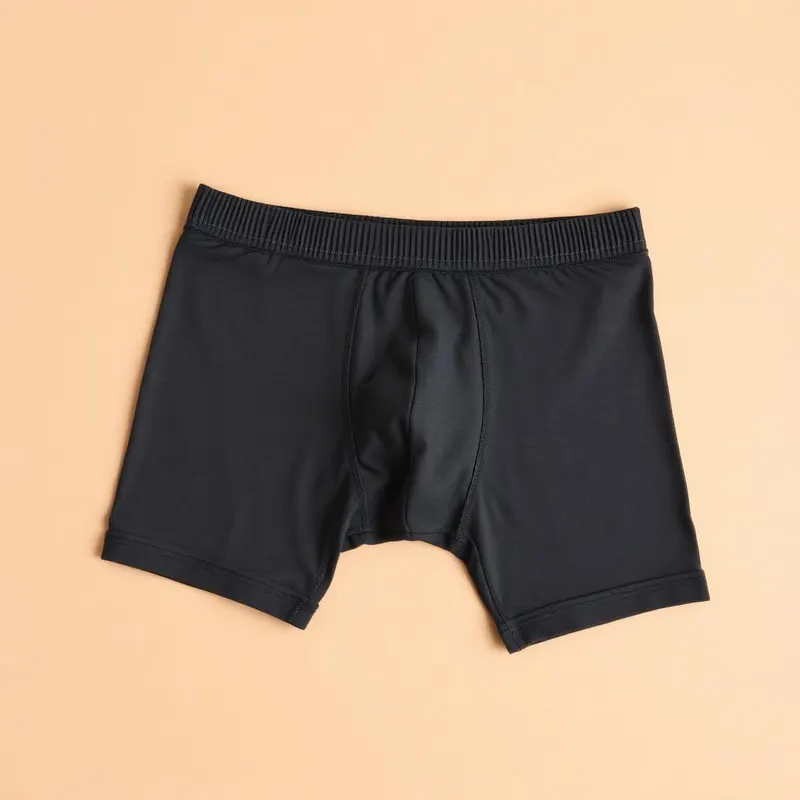
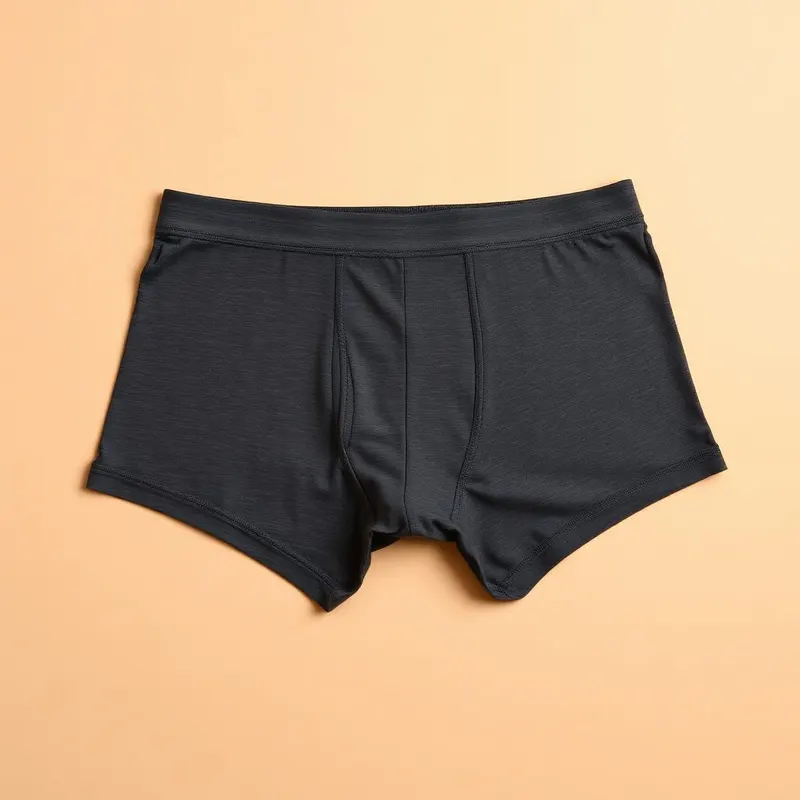
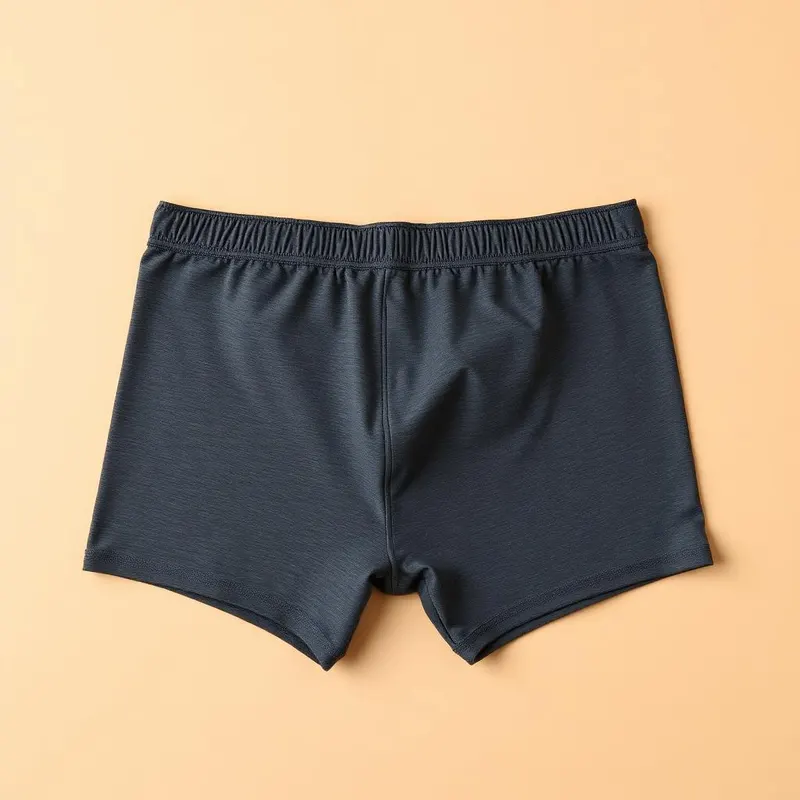
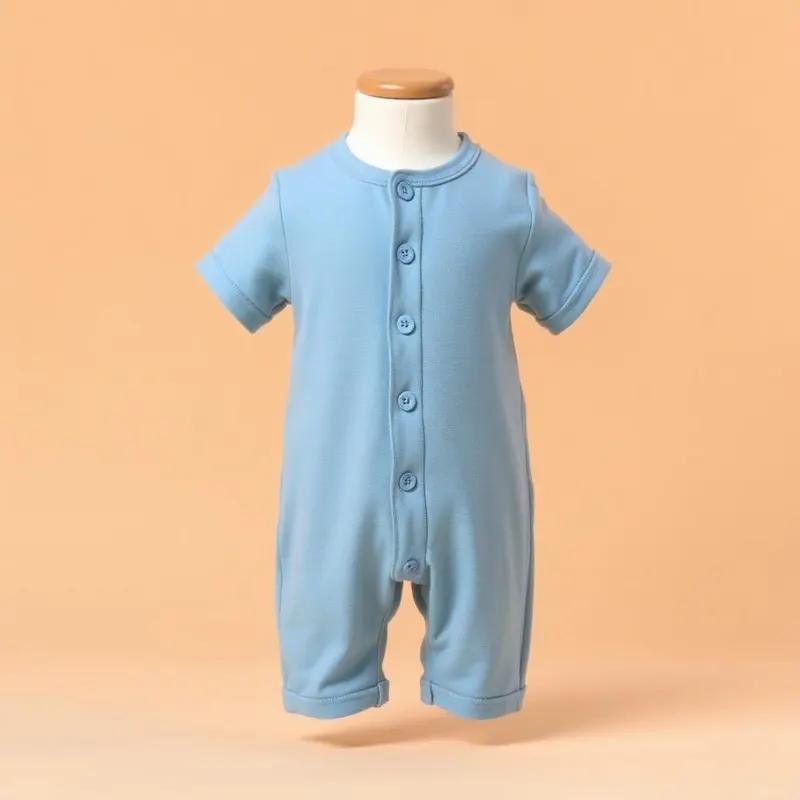
Fabric becomes the garment.
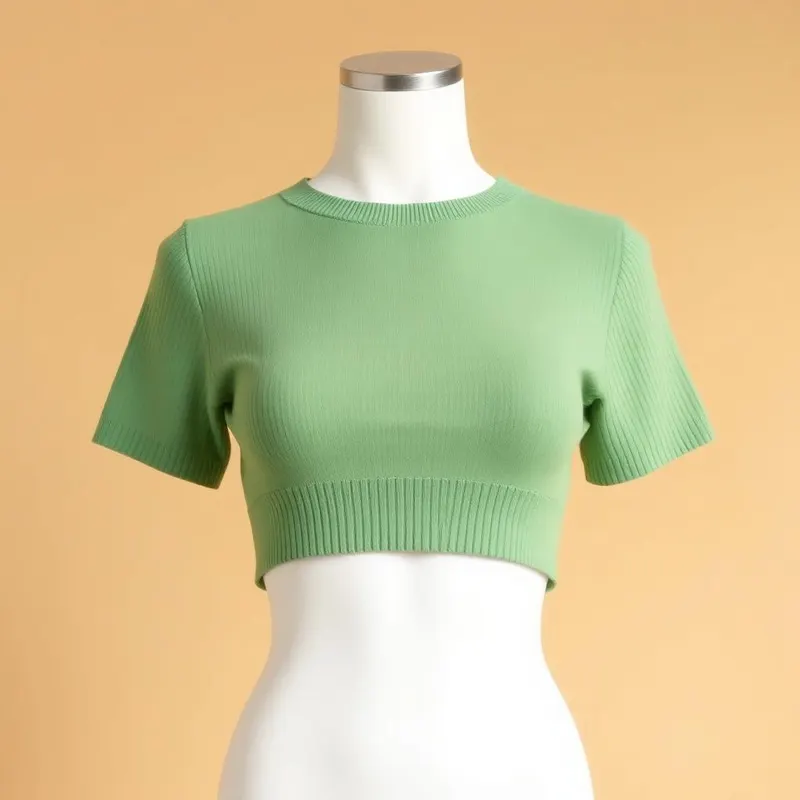
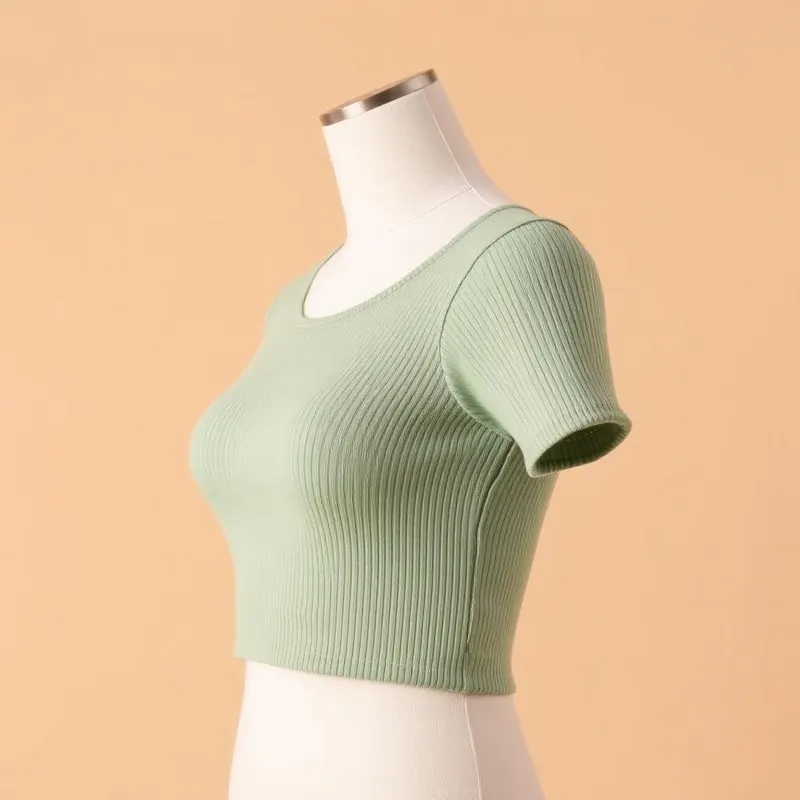
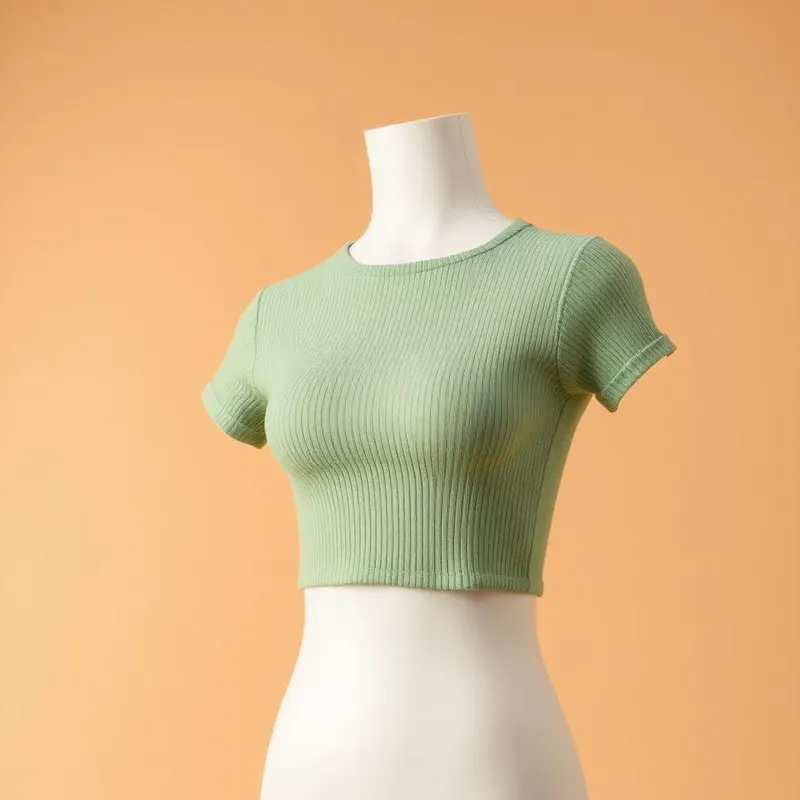
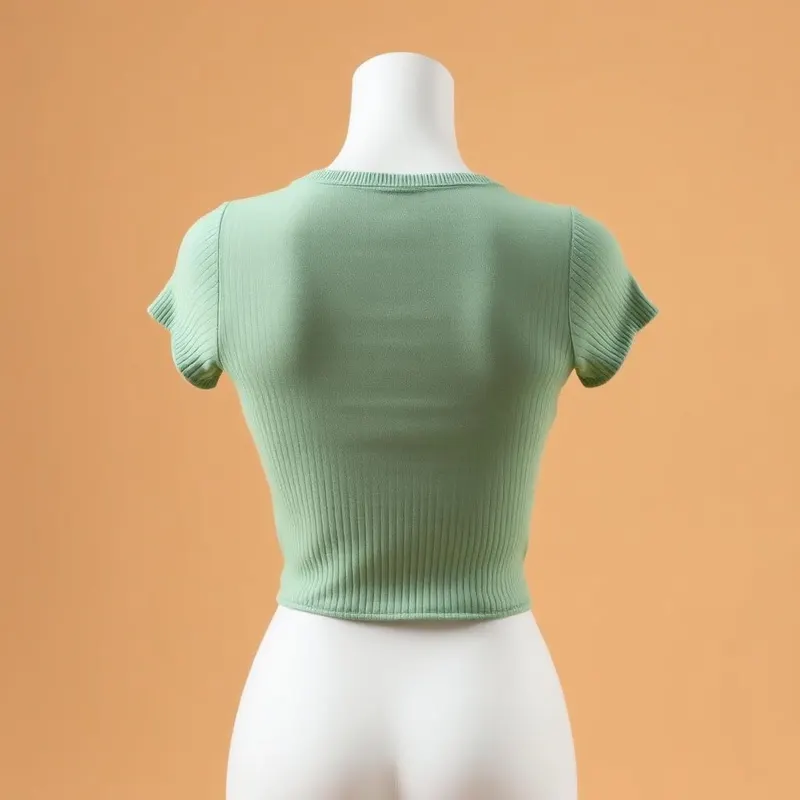
This is where your order lives in our own factory. Fabric is relaxed, laid and cut
to a graded pattern, then sewn on modular lines with single needle, overlock,
flatlock and coverstitch stations. Printing and embroidery are in-house, and every
piece is measured, trimmed and passed on final QC.
Stage 05 — Packing
Ironed, folded, packed.
Garments are steam pressed or tunnel finished, folded to your fold pattern and
tagged with labels, hangtags and barcodes as your packing list states. Pieces are
poly-bagged and cartoned by size ratio, then weighed, marked and audited against
the pack list before anything is sealed.
Stage 06 — Delivery
Loaded out and delivered.
Dispatch is planned backwards from the date we committed. Cartons are staged,
counted and loaded with a checker verifying numbers against the invoice. We handle
door delivery domestically, coordinate with your forwarder for exports, and share
dispatch details on the day of loading.